

Downtown Yuma, Arizona, is the city’s historic commercial center, with historic districts, cultural venues and sights along the Colorado River. You can start on Main Street, then make time for the riverfront and nearby historic sites; Visit Yuma describes the downtown area as walkable.
- Three historic districts: Main Street, Century Heights and Brinley Avenue.
- The Main Street Historic District’s buildings date from 1912 to 2001.
- Pivot Point Interpretive Plaza marks the spot where the first railroad train entered Arizona.
- The Visitor Information Center is on South Main Street; its hours vary by day and it closes on major holidays.
At a glance
6 places · swipe
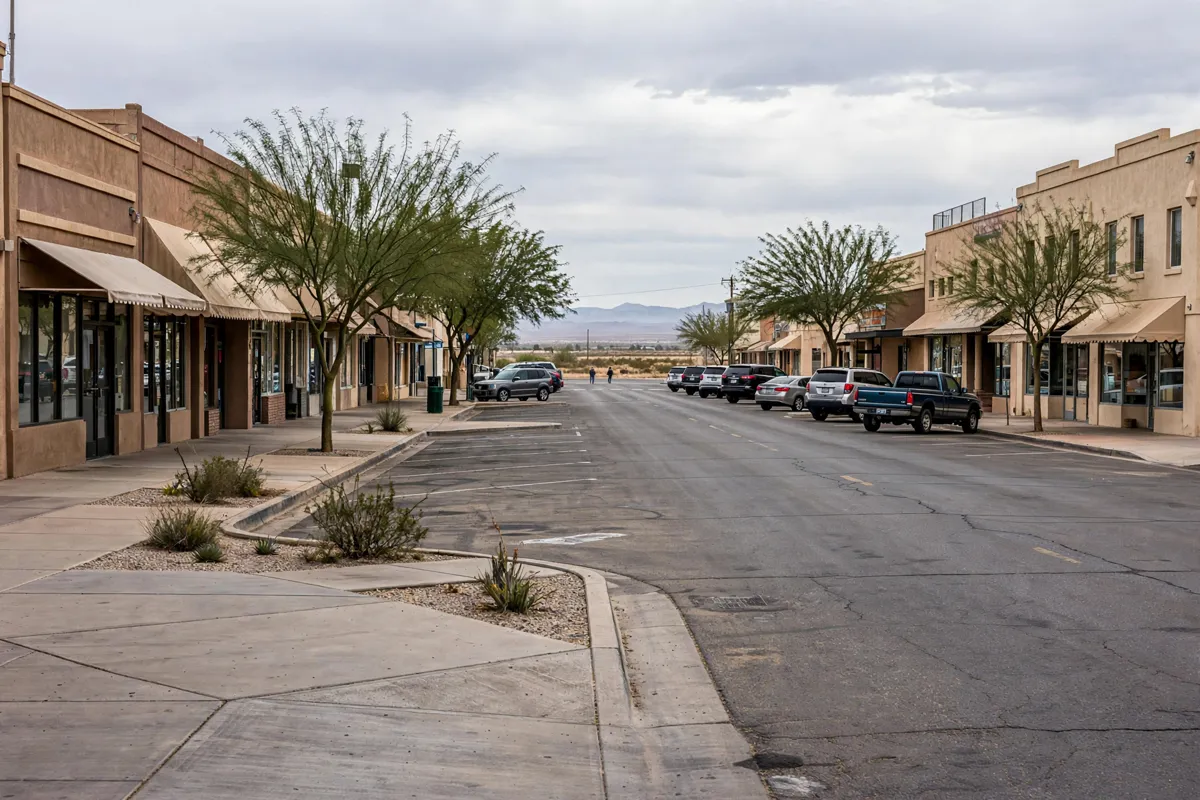 01Getting oriented in YumaYuma’s historic districts offer a useful framework for exploring downtown and the surrounding streets.
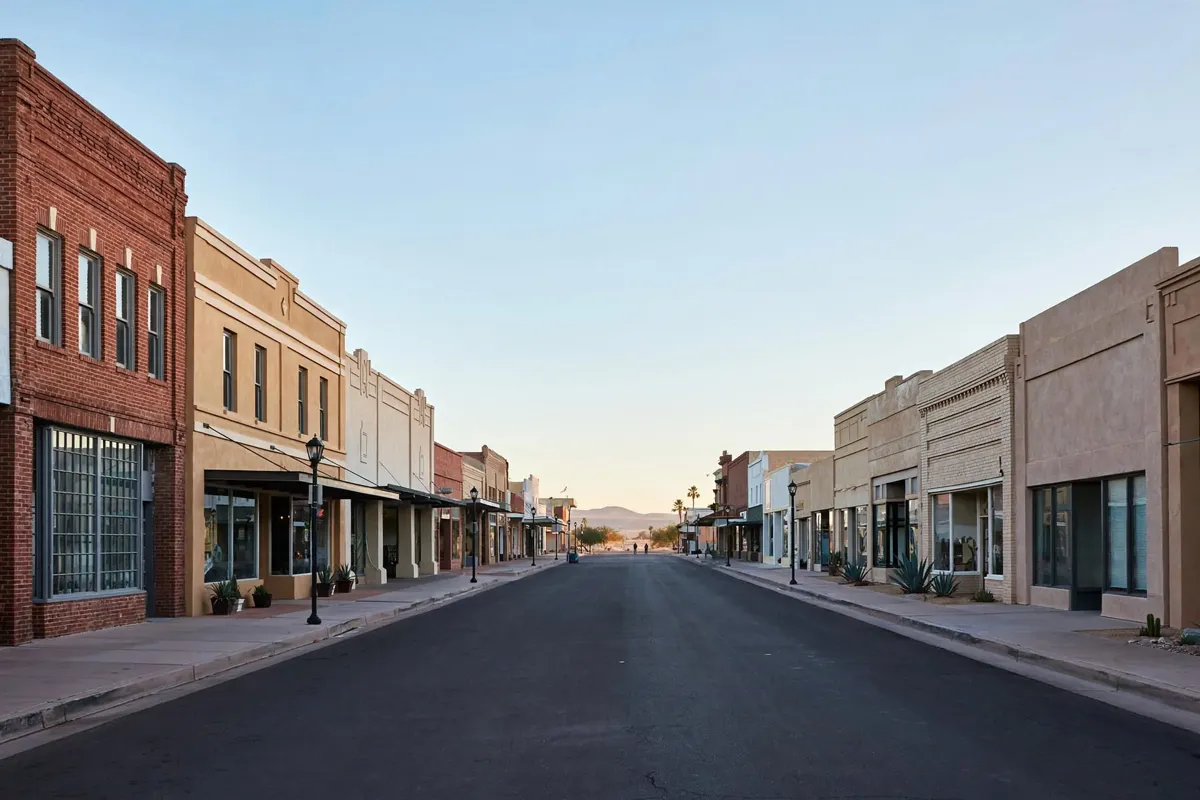 02Downtown Yuma and its historic coreThe Main Street Historic District is Yuma’s historic commercial center, where buildings from 1912 to 2001…
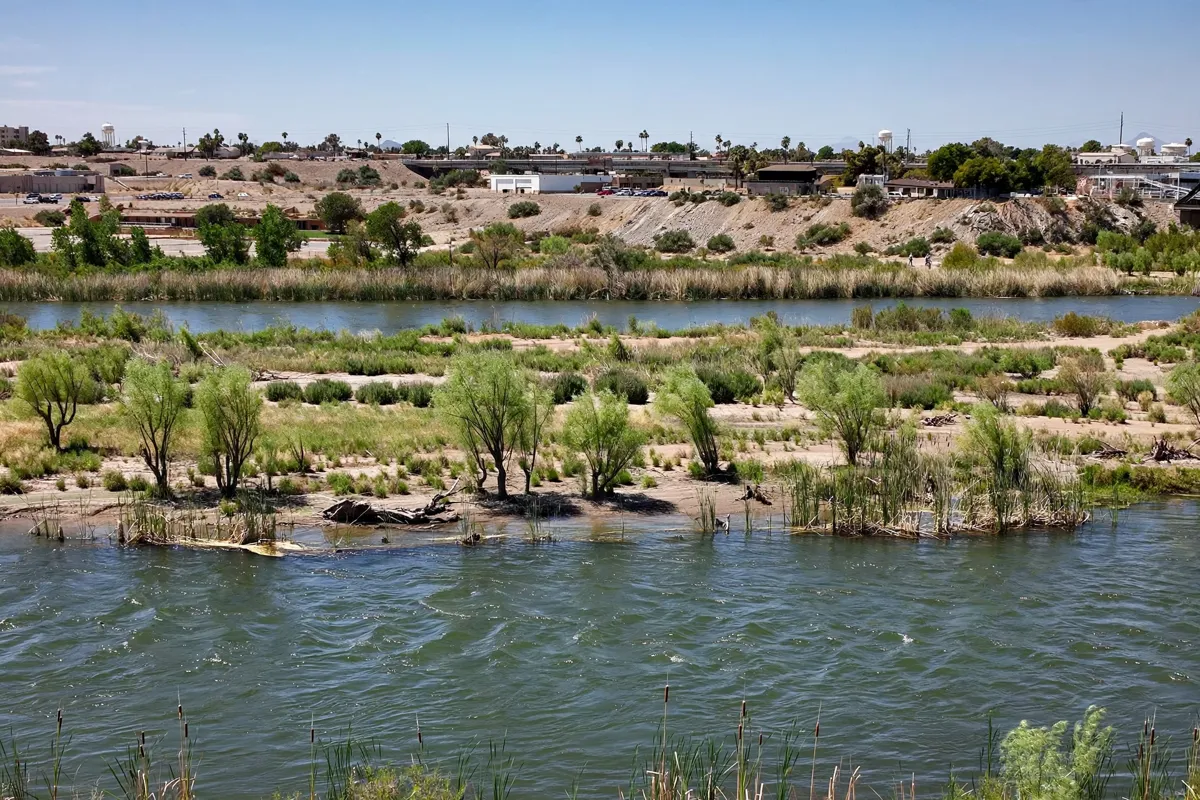 03Riverfront sights near downtownDowntown’s riverfront combines railroad history, views of the Colorado River and the story of the former…
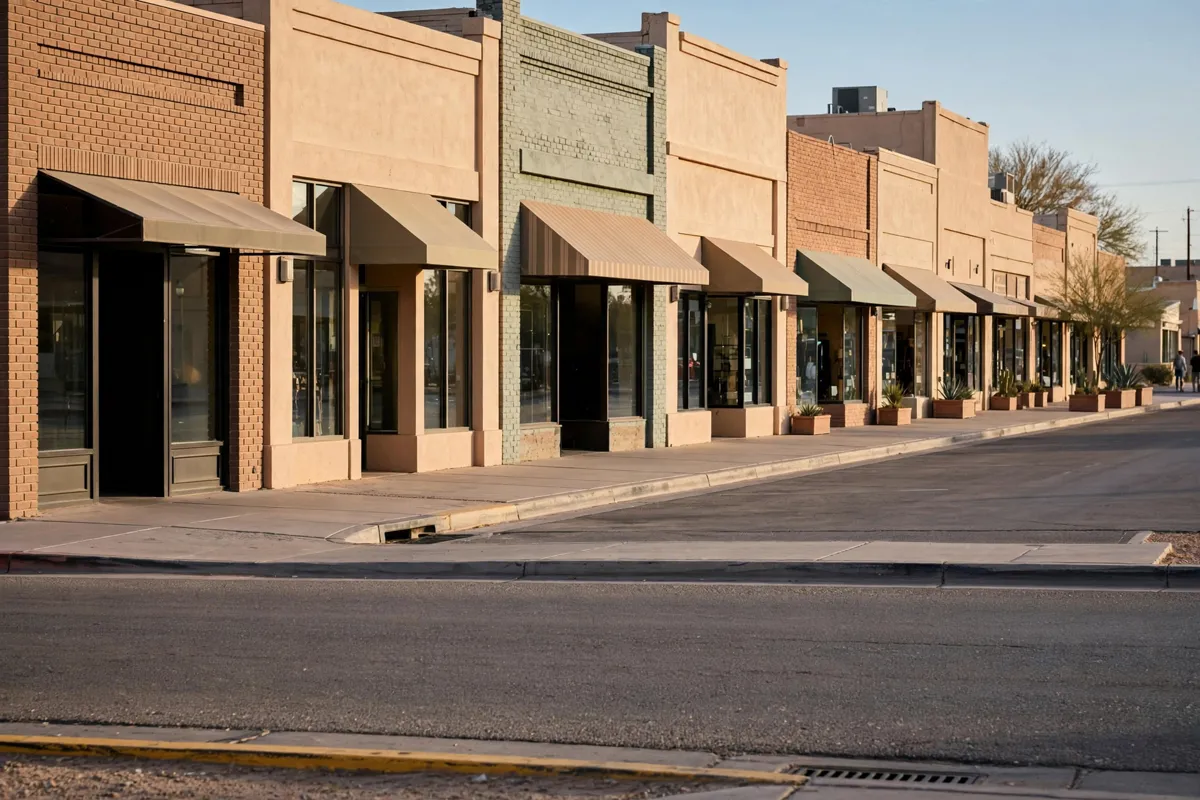 04Food, shops and services to look upDowntown shopping areas include Main Street and Madison Avenue, along with the “224s” alley storefronts…
- 05Getting between Torch Lite Lodge and downtownDowntown Yuma is about a 7-minute drive from Torch Lite Lodge.
- 06FAQsThe City identifies the Main Street, Century Heights and Brinley Avenue historic districts.
Getting oriented in Yuma
Yuma’s historic districts offer a useful framework for exploring downtown and the surrounding streets. The City of Yuma identifies the Main Street, Century Heights and Brinley Avenue historic districts, alongside more than 40 properties individually listed on the National Register of Historic Places.
For a starting point, the Visit Yuma Visitor Information Center is at 264 S. Main Street. It offers maps, brochures, complimentary Wi-Fi and a large-screen kiosk for mapping itineraries with the Visit Yuma App. Free parking is available on Main Street and in the large lot behind the center.
The center is open Tuesday through Saturday, 9 a.m. to 5 p.m., and closed on major holidays. Check the official site before you go.
Downtown Yuma and its historic core
The Main Street Historic District is Yuma’s historic commercial center, where buildings from 1912 to 2001 reflect different periods of downtown development. After the 1916 flood destroyed most buildings, much of downtown was rebuilt in brick and concrete.
The Brinley Avenue Historic District covers the west side of Madison Avenue between 1st and 3rd Streets, as well as both sides of 2nd Street from Main Street to 1st Avenue. Madison Avenue was formerly called Brinley Avenue. The City’s historic-district map can help you place these areas in relation to downtown.
For a closer look at local history, the Sanguinetti House Museum and Gardens at 240 S. Madison Avenue occupies a 19th-century adobe home and explores E.F. Sanguinetti and Yuma’s history. Walking tours may be available through the house; check its event details before planning around one.
The Yuma Art Center presents contemporary local and regional art, while the adjacent Historic Yuma Theatre hosts live performances in a venue with original décor dating to 1912. The City also highlights downtown ghost signs and neon signs on 4th Avenue associated with roadside motels from the 1940s, 1950s and 1960s.
Riverfront sights near downtown
Downtown’s riverfront combines railroad history, views of the Colorado River and the story of the former Army Quartermaster Depot. At Pivot Point Interpretive Plaza, Madison Avenue meets the river; the plaza marks where the first railroad train entered Arizona in 1877. Its outdoor features include the original concrete bridge pivot and a 1907 Baldwin locomotive.
The Colorado River State Historic Park explores the river, 20th-century dam construction and the former Army Quartermaster Depot. The Yuma Quartermaster Depot State Historic Park also gives you a dedicated look at the depot’s history.
The Ocean-to-Ocean Bridge is another downtown-area sight, and it is illuminated at night. Its history and river views make it a fitting stop while exploring the waterfront.
Food, shops and services to look up
Downtown shopping areas include Main Street and Madison Avenue, along with the “224s” alley storefronts and Pottery Row near 2nd Street. These named areas give you a starting point for browsing storefronts as you walk through the historic core.
Visit Yuma describes the downtown historic sites as a day-or-two outing, so you can group the museums, historic streets and riverfront into a longer visit rather than trying to cover every area at once. For services and current business details, use the Visitor Information Center’s maps and brochures as a starting point.
Getting between Torch Lite Lodge and downtown
Downtown Yuma is about a 7-minute drive from Torch Lite Lodge. If you’re planning to explore the historic core on foot, consider driving into downtown first and then grouping nearby sights together; Visit Yuma describes the area as walkable.
For the Visitor Information Center, Visit Yuma’s driving directions take you from Interstate 8 via the Giss Parkway exit, then south to Main Street. For a broader look at local transport choices, getting around Yuma by car, transit and other visitor options can help you plan how to move between areas.
FAQs
What are Yuma’s historic districts?
The City identifies the Main Street, Century Heights and Brinley Avenue historic districts. The Main Street district is the city’s historic commercial center.
Can you explore downtown Yuma on foot?
Visit Yuma describes downtown as walkable and says its historic sites can be covered in a day or two.
Where can you learn about Yuma’s railroad history?
Pivot Point Interpretive Plaza marks where the first railroad train entered Arizona in 1877. The plaza is at Madison Avenue by the Colorado River.
What is the Ocean-to-Ocean Bridge known for?
The downtown-area bridge is illuminated at night. You can read about its history and river views in this guide to the Ocean-to-Ocean Bridge in Yuma.