

An Imperial Sand Dunes day trip from Yuma takes you to a vast dune field in southeastern California, where you can explore public-land recreation areas and plan around off-road activity.
From Torch Lite Lodge, a three-star hotel in Yuma, the dunes are a regional outing; the BLM recommends access from Interstate 8 west of Yuma, while your exact drive depends on the access point you choose.
- Setting: Southeastern California, with a dune system stretching more than 40 miles.
- Access: Interstate 8 west of Yuma or Highway 78 east of Brawley.
- Permit season: Generally October 1 through April 15.
- Key vehicle rule: Every vehicle in the recreation area needs a safety flag.
Where are the Imperial Sand Dunes?
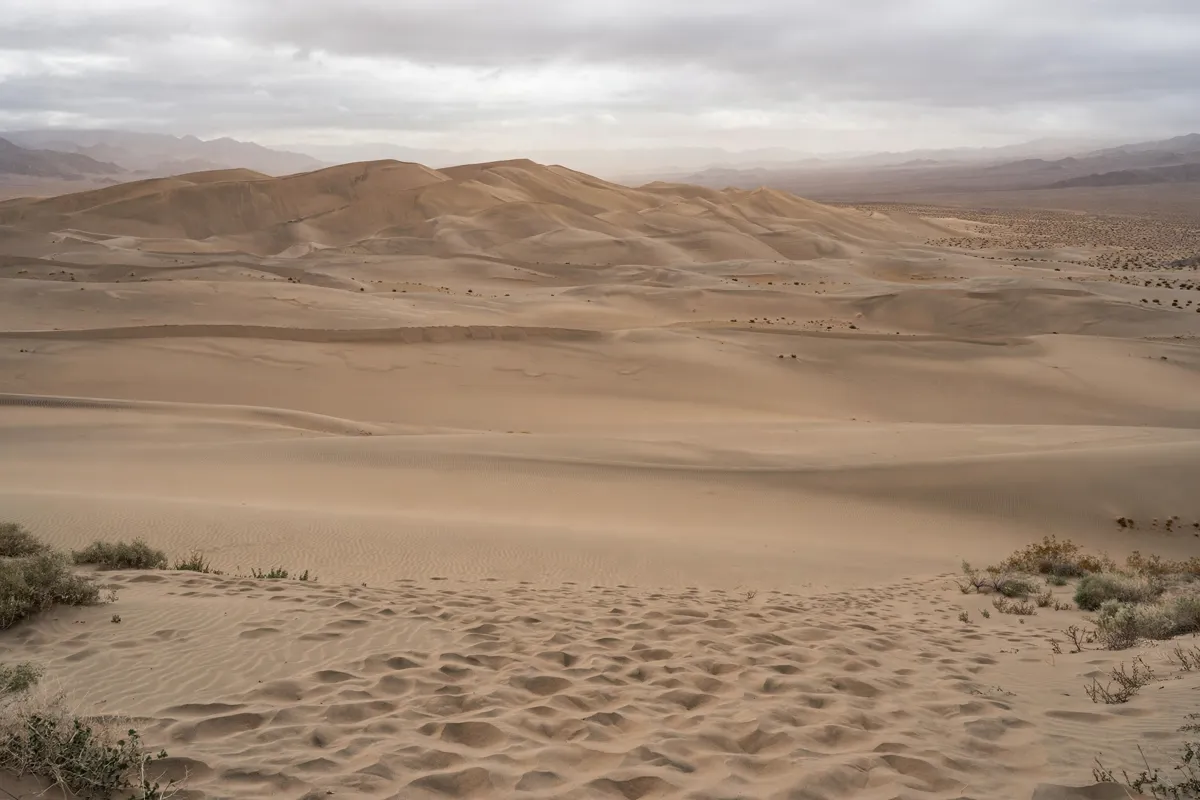
The Imperial Sand Dunes Recreation Area lies in southeastern California and contains the largest mass of sand dunes in the state, according to the Bureau of Land Management (BLM).
The dunes formed from windblown sands of ancient Lake Cahuilla, creating a band more than 40 miles long and averaging 5 miles wide. Individual dunes often rise to 300 feet above the desert floor.
The scale of the dune field matters when planning your visit: the recreation area is not a single overlook, and the access road you choose shapes where you enter. Most off-road activity takes place south of Highway 78. Around the dunes, some areas allow travel only on designated routes, while closed areas prohibit motorized vehicles.
How do you get from Yuma to the Imperial Sand Dunes?
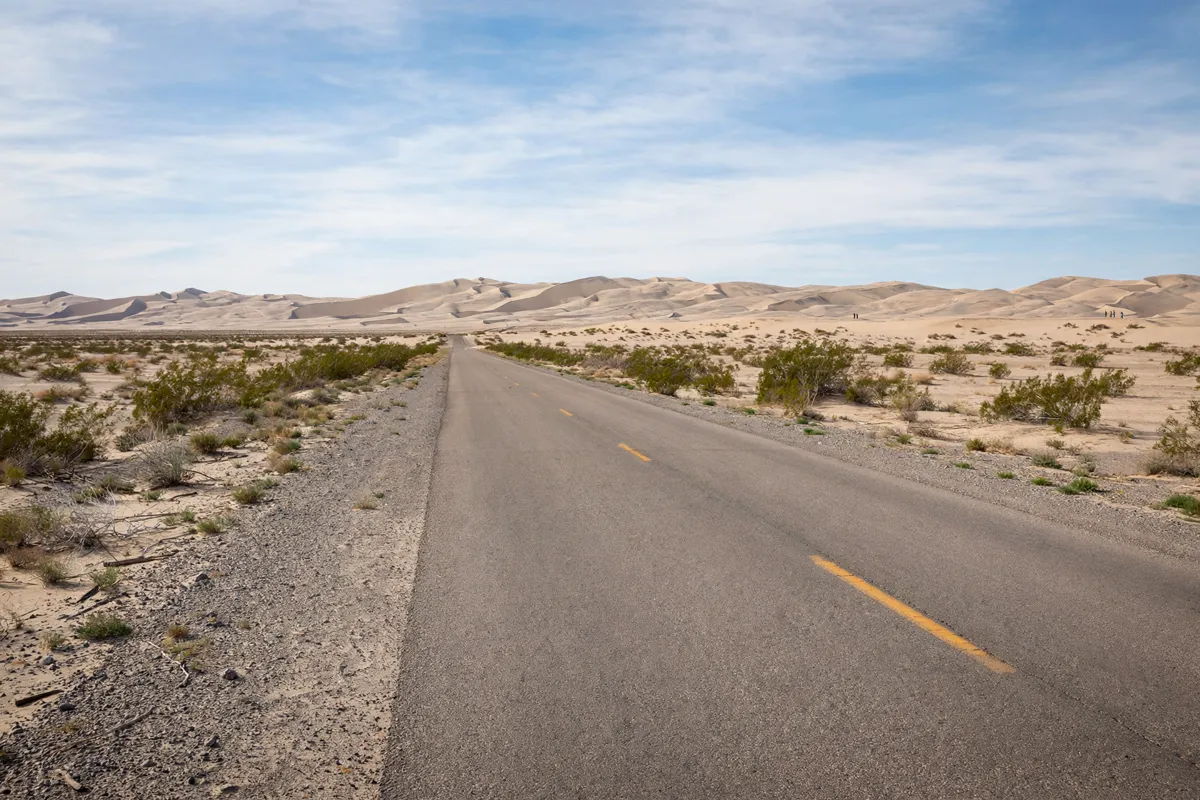
The BLM recommends reaching the dunes via Interstate 8 west of Yuma or Highway 78 east of Brawley. Confirm which access area fits your plans before leaving Yuma, then check the route and driving time to that specific entrance; the dunes extend across a broad area, so a single trip time does not apply to every destination within it.
If you plan to drive an off-highway vehicle, make sure your route stays within areas open to motorized use.
In the North Algodones Dunes Wilderness, which covers more than 26,000 acres, you can walk or ride horses, but vehicles and other mechanized use are prohibited. For local transport context, ways to get around Yuma covers driving and transit around the city.
Recreation rules, permits and seasonal conditions
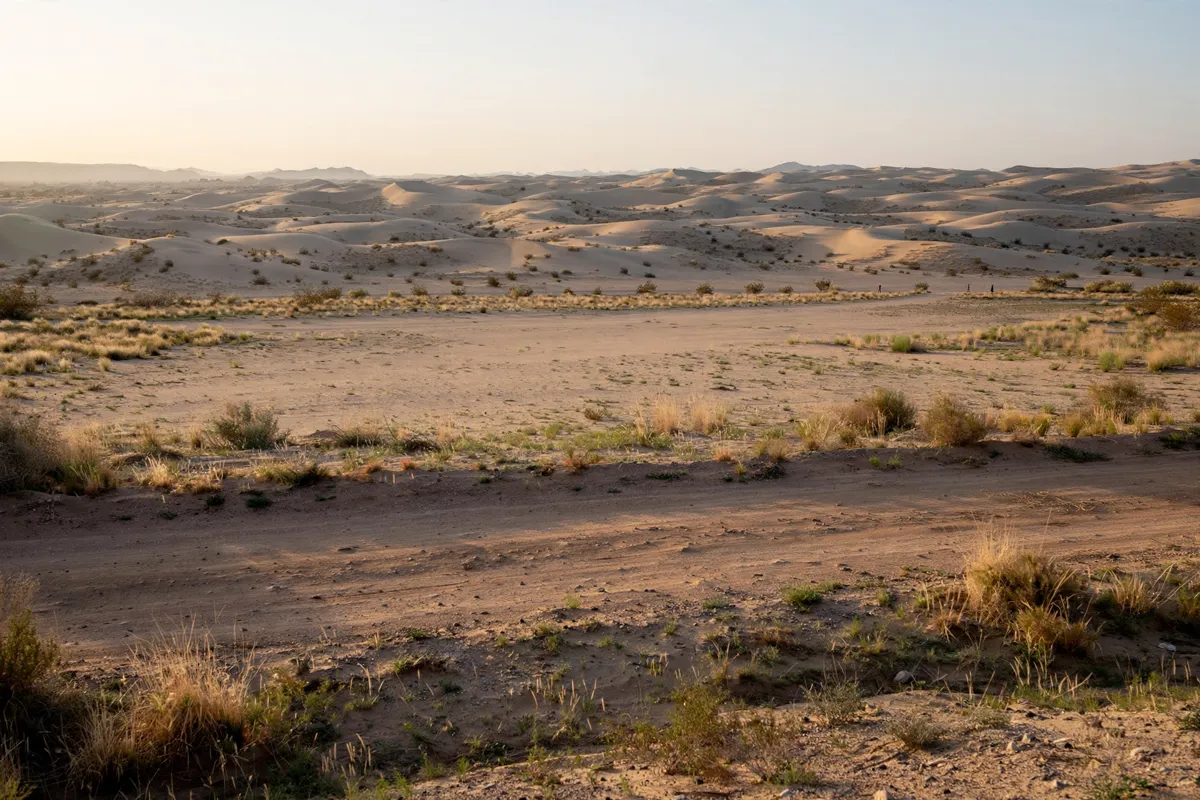
Most visitors need an Imperial Sand Dunes recreation permit during the main permit season, which generally runs from October 1 through April 15. The BLM lists weekly permits at $55 when purchased in advance or $70 onsite, and a season permit at $185. The permit applies to the primary vehicle—the street-legal vehicle used to travel to the recreation area.
Short-term day use at Osborne Overlook, Plank Road Cultural Resource Site, Buttercup Ranger Station or the Watchable Wildlife Area does not require a permit. Check the official site before you go for current permit details, access rules and seasonal conditions.
Every vehicle in the recreation area, including two-wheeled motorcycles, must carry a safety flag. It must be red or orange, measure 6 by 12 inches, and sit on a mast that reaches 8 feet from the ground to its tip.
Near Highway 78, Grays Well Road, Gecko Road and access roads within the Gecko and Roadrunner recreation sites, OHVs must follow a 15 mph speed limit within 500 feet.
Other rules affect how you plan a longer visit: camping is limited to 14 days, and camping or parking is prohibited within 10 feet of pavement on Gecko Road.
Quiet hours run from 10 p.m. to 6 a.m.; audio devices and motorized equipment, including generators, cannot make unreasonable noise that disturbs other visitors during that time. Glass beverage containers are prohibited. Keep animals on a leash no longer than 6 feet and under control or otherwise physically restricted at all times.
Desert safety and preparation
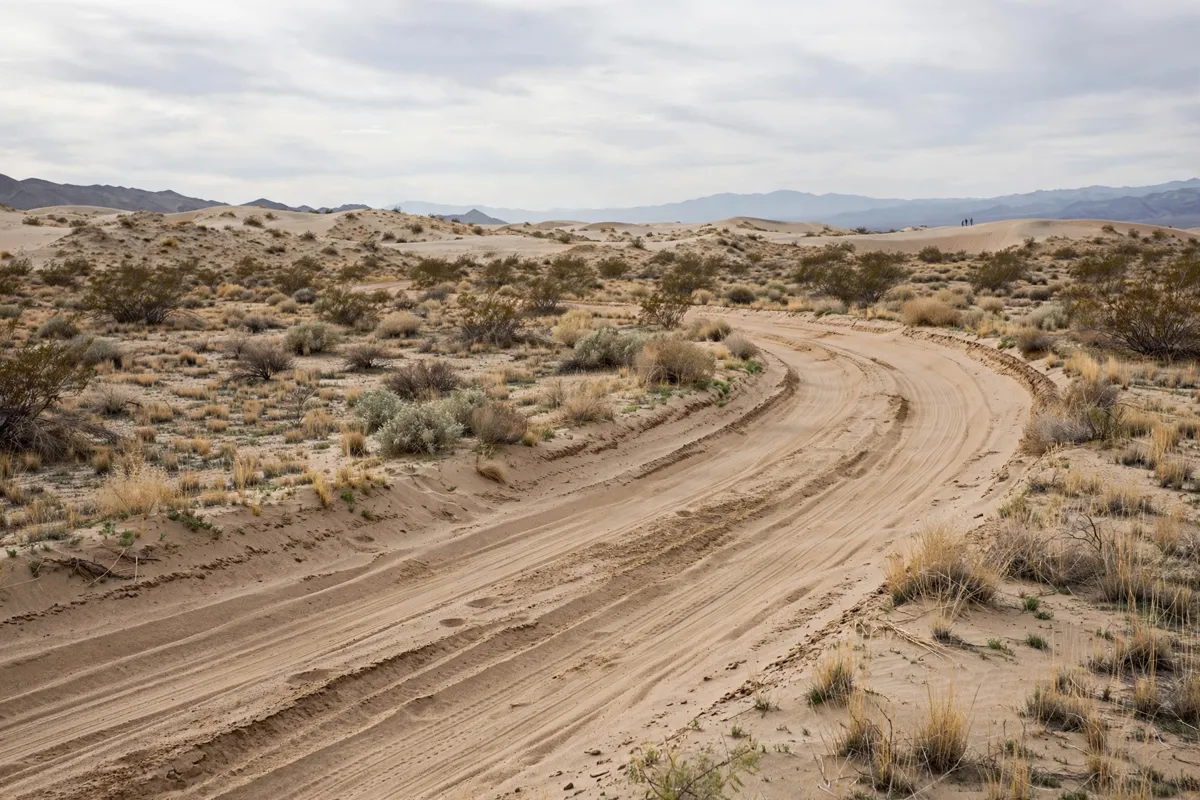
Prepare for both the desert setting and the vehicle rules before you leave Yuma. Check that your vehicle has the required safety flag, and identify which roads and areas permit motorized travel. If your plan includes the wilderness, leave vehicles and mechanized equipment out of it; walking and horseback riding are allowed there.
For a day visit, decide whether you are heading to a permit-required recreation area or one of the named locations where short-term day use does not require a permit. If you plan to camp, account for the 14-day limit and the Gecko Road restrictions.
The Cahuilla Ranger Station is off Gecko Road and normally opens Friday through Sunday from mid-October to mid-April during the high-visitation period; its hours can vary, so verify current details before relying on an in-person stop.
Building a day trip from Yuma
Start with your chosen access point, then work out the route, permit needs and permitted activities before setting off. For a day centered on a particular overlook or recreation site, confirm whether it falls under the short-term day-use exemption or requires a recreation permit.
If you are driving an OHV, also check that the planned area is open to motorized use and that the vehicle meets the flag requirement.
Give yourself time to get to the specific entrance you select rather than treating the dunes as one roadside stop. The landscape stretches for more than 40 miles, and recreation rules differ between the main dune area, designated routes and the North Algodones Dunes Wilderness.
A clear plan for where to go and what you intend to do helps keep the day focused on areas that match your activity.
To add time in town before or after the drive, you can plan around Yuma’s downtown and neighborhoods.
FAQs
When is a recreation permit generally required?
A permit is generally required annually from October 1 through April 15. Short-term day use at four named locations, including Osborne Overlook and Buttercup Ranger Station, is exempt.
Can you drive in the North Algodones Dunes Wilderness?
No. Vehicles and mechanized use are prohibited there, though visitors may walk or ride horses.
What safety flag does a vehicle need?
All vehicles need a red or orange flag measuring 6 by 12 inches, mounted on a mast that reaches 8 feet from the ground to its tip.
What is the camping limit?
Camping in the recreation area is limited to 14 days. Camping and parking are also prohibited within 10 feet of pavement on Gecko Road.